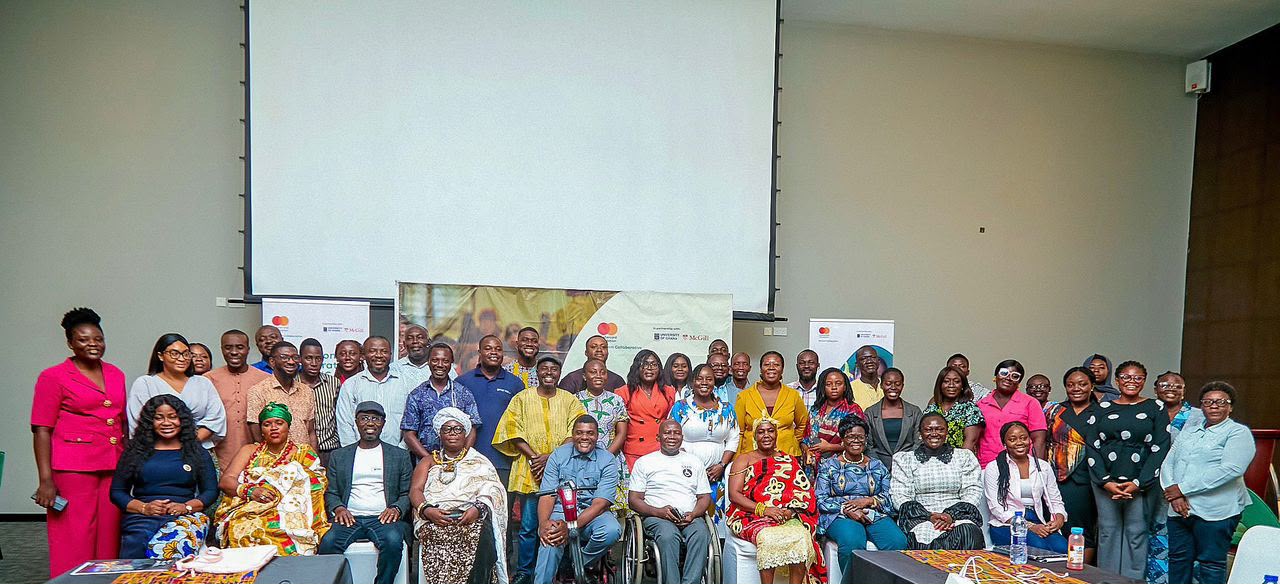
The Nkabom Collaborative at the University of Ghana has held a stakeholder workshop in Accra to explore ways of increasing the participation of underrepresented groups in Ghana’s agri-food system.
The one-day workshop brought together about 40 stakeholders, including women farmer groups, disability associations, NGOs, market queens, queen mothers, UN agencies, and organisations working with internally displaced persons.
According to the Collaborative, data from its first year of implementation revealed a significant participation gap among young women, persons with disabilities, and internally displaced persons, despite efforts to promote inclusion.
Speaking at the event, the Collaborative Lead, Richard Nii Okai Aryeetey, said the programme aims to create opportunities for young people aged 18 to 35 but acknowledged that many face barriers that limit access to training and business development opportunities.
He cited socio-cultural challenges, caregiving responsibilities, and limited financial resources as some of the obstacles affecting young women in particular.
Professor Aryeetey noted that the initiative has introduced support measures such as childcare services during training sessions to help women participate fully. He added that the programme is linking young entrepreneurs to established businesses and mentors to help them grow sustainable enterprises.
The Nkabom Collaborative says it is also working to reduce food waste in the agri-food sector and create opportunities for young people to develop innovative businesses that can transform Ghana’s food system.
The initiative plans to establish a Sustainable Food Systems Centre at the University of Ghana to continue training and supporting young people beyond the lifespan of the programme.