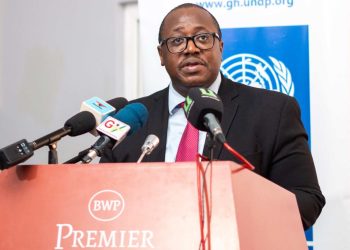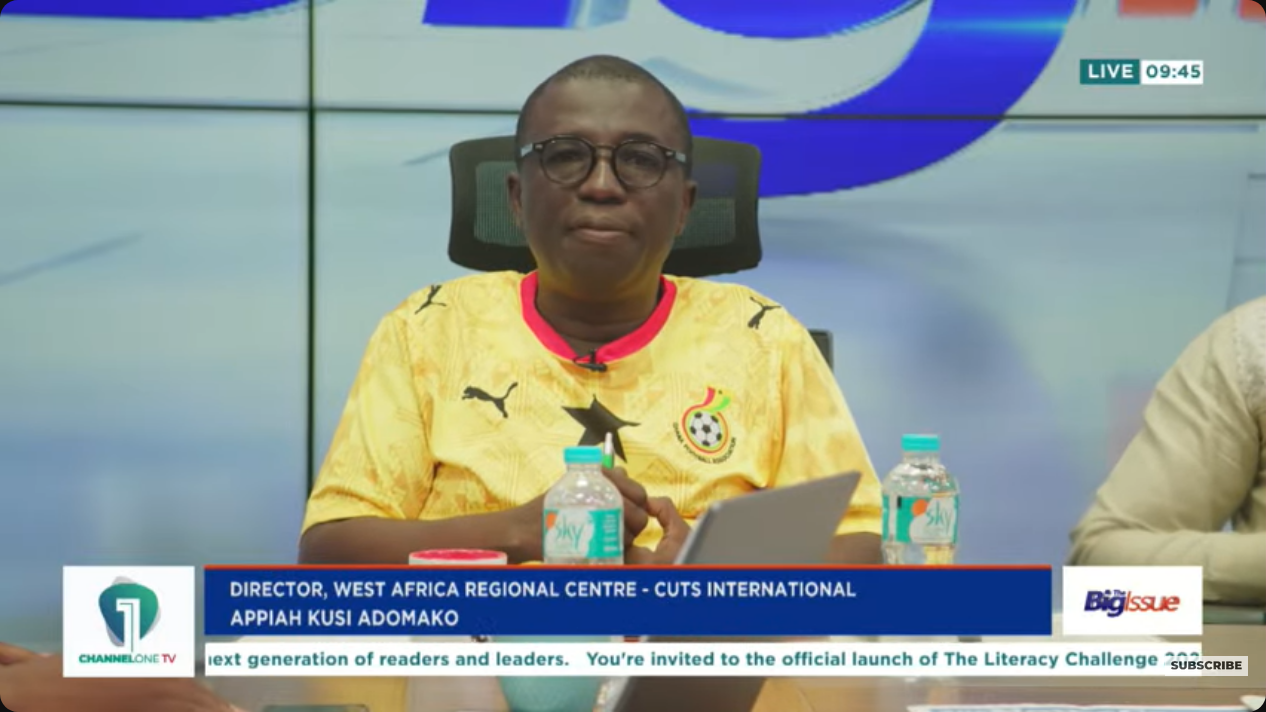
The Director for the West Africa Regional Centre of CUTS International, Appiah Kusi Adomako, has questioned the approach used by the Public Utilities Regulatory Commission (PURC) in approving quarterly electricity tariff adjustments, arguing that the system is overly mechanical and fails to adequately address deeper inefficiencies in Ghana’s power sector.
According to him, the current tariff-setting framework relies heavily on predefined variables such as inflation, exchange rate movements, the cost of natural gas, and the electricity generation mix, which automatically trigger periodic price adjustments.
He said while the formula provides structure, it does not sufficiently account for systemic challenges within the energy value chain that continue to drive costs upward.
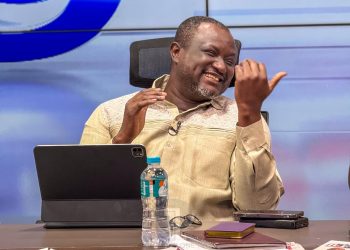
Speaking on The Big Issue on Channel One TV on Saturday, June 27, 2026, Appiah Adomako said the PURC’s reliance on these indicators makes tariff increases almost inevitable whenever the variables move upward.
“What PURC did for this week is that they are following the formula, which means that every quarter, you must adjust the tariff, and going by the agreed metrics—inflation, exchange rate, the cost of natural gas, and also the power generation mix—that’s what PURC is using in determining this price,” he said.
He, however, argued that the regulator may be overlooking deeper inefficiencies in the system, particularly in the operations of the Electricity Company of Ghana (ECG), where persistent technical and commercial losses remain a major cost driver.
Appiah Adomako cited concerns that commercial losses stand at about 32%, with technical losses estimated between 10 and 12 percent, arguing that failure to address these gaps continues to push tariffs higher.
He said stronger regulatory intervention in reducing losses within the energy value chain could have helped delay or moderate recent tariff increases.
“If PURC had adverted their minds to that, it could have also meant that this particular increase would have been postponed,” he said.
He further noted that unless Ghana takes deliberate steps to reduce system losses, electricity tariffs will remain high, with broader economic consequences, including reduced industrial competitiveness.
“Until we reduce those losses, make conscious and intentional efforts to reduce those losses, power tariffs here will be higher,” he said.