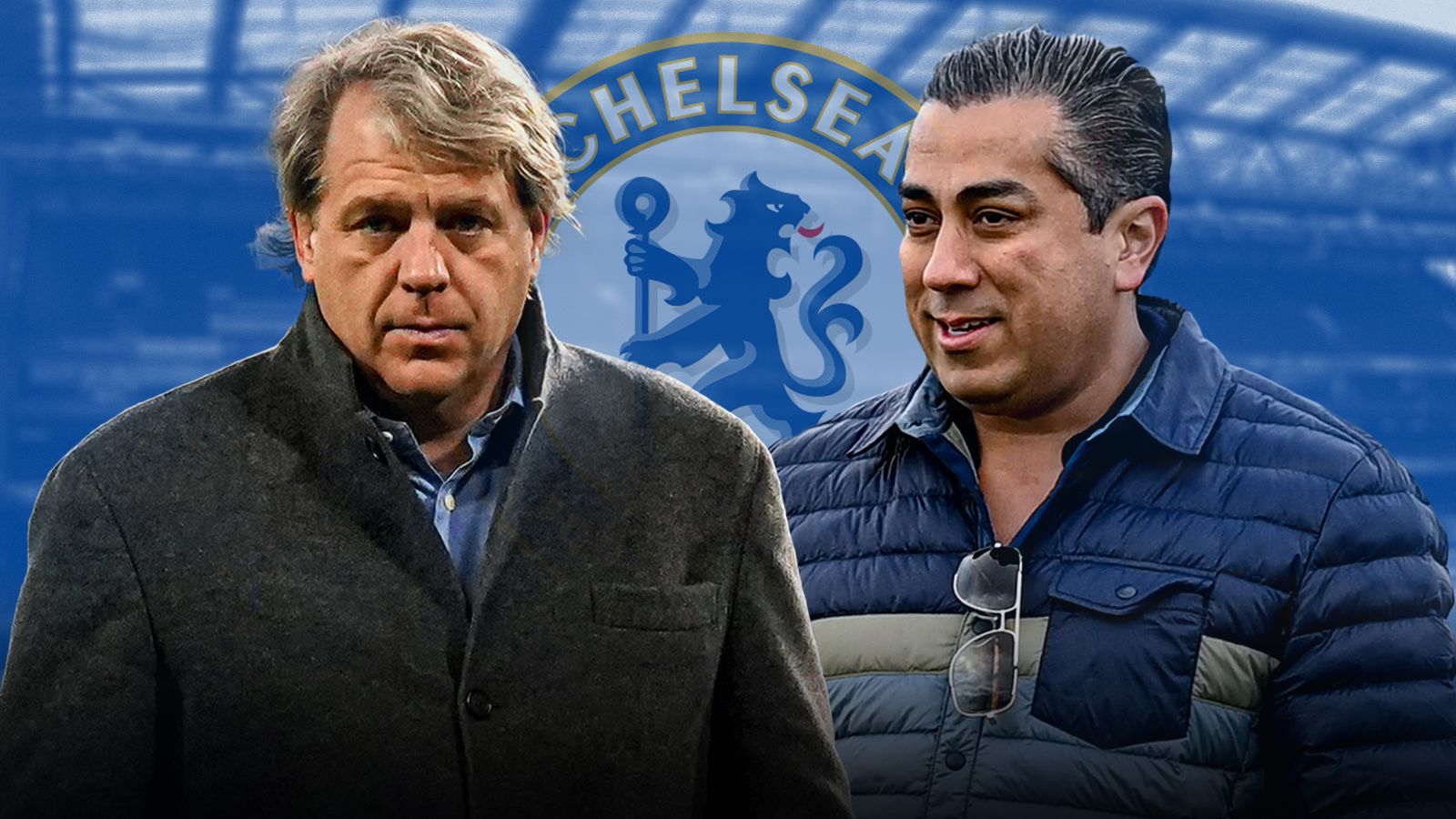
Not long ago, Chelsea Football Club was the embodiment of elite football—serial winners driven by clarity, ruthlessness, and a well-defined identity. Today, that identity has eroded. What remains is a club drifting through one of the most chaotic and directionless periods in its modern history.
Since the 2022 takeover by Todd Boehly and Behdad Eghbali, Chelsea have become a cautionary tale—less a rebuild, more a live experiment in how instability at the top filters disastrously onto the pitch.
A Carousel of Chaos
Chelsea were once known for decisiveness. Now, they are defined by confusion.
The club has cycled through managers at an alarming rate: Thomas Tuchel, dismissed despite delivering Champions League glory; Graham Potter, the architect of a costly but incoherent “project”; Frank Lampard, a temporary fix that solved nothing; and Mauricio Pochettino, unable to impose stability before his exit.
The chaos didn’t end there. The rapid turnover of Enzo Maresca and Liam Rosenior—the latter lasting barely three months—before the appointment of Calum McFarlane in April 2026 only reinforced one conclusion: there is no long-term plan. There is only reaction.
Each managerial change resets tactics, reshuffles priorities, and leaves a bloated, expensive squad in perpetual uncertainty. Elite clubs build continuity; Chelsea keep starting over.
£1 Billion Spent, No Identity Built
If instability defines the dugout, excess defines recruitment.
Under Boehly and Eghbali, Chelsea have spent over £1 billion on transfers—an extraordinary outlay with remarkably little to show for it. The squad is a collection of promising individuals rather than a coherent team:
Imbalanced across key positions
Lacking experienced leadership
Struggling for cohesion and tactical clarity
Young players have been handed long-term deals, but without a stable system or guiding core, development has stalled. This is not squad-building; it is speculative accumulation.
Dwindling Fortunes, Mounting Losses
The numbers are as troubling as the performances.
2022–23: A sobering 12th-place finish
2024–25: A reported £342 million pre-tax loss, among the worst in football history
2025–26: A team stuck in a losing spiral, including a damaging home defeat to Nottingham Forest
Even with strong revenues, financial manoeuvres designed to navigate Profitability and Sustainability Rules cannot mask the deeper issue: Chelsea are spending heavily while regressing competitively.
The product on the pitch reflects that imbalance—disjointed, inconsistent, and increasingly devoid of confidence.
From Contenders to Crisis
Chelsea’s decline in the Premier League has been stark. Once title challengers and European regulars, they now hover in mid-table uncertainty.
Performances fluctuate wildly. Goals have dried up—highlighted by a staggering 634-minute scoring drought. The aura that once intimidated opponents has disappeared.
For a club that measured success in trophies, merely chasing relevance is now framed as progress. That shift in expectations speaks volumes.
A Club Without Direction
The most damning indictment is not the results—it is the absence of a coherent vision.
Recruitment does not align with managerial philosophy
Managers inherit squads they did not shape
Strategy shifts with every new appointment
This is structural dysfunction. It is how instability becomes entrenched.
Boehly and Eghbali arrived with ambition, but ambition without footballing clarity has produced chaos, not progress. In dismantling the previous system, they have failed to replace it with anything coherent.
The Relegation Question
The arrogance of Boehly and Eghbali is their greatest sin. They believed American sports metrics and “disruptive” management could replace footballing soul. Instead, they have created a team that forgot how to score—suffering through a 634-minute goal drought just this month.
It may sound dramatic, but it is no longer unthinkable.
History shows that sustained instability—combined with poor squad balance and declining confidence—can drag even the biggest clubs into crisis. Chelsea are not there yet, but the warning signs are unmistakable.
At this trajectory, they are not building toward the Champions League—they are drifting toward a battle to stay afloat.
The Responsibility at the Top
Chelsea’s decline is not the fault of one manager or one group of players. It is the result of decisions made at the very top.
Boehly and Eghbali have invested heavily, but without structure, consistency, or a clear footballing philosophy. They have turned a finely tuned machine into a disjointed project.
A billion pounds has been spent. Stability has not been bought.
Until leadership changes course—until there is alignment between recruitment, management, and long-term vision—the decline will continue.
For now, the conclusion is unavoidable:
Chelsea isn’t rebuilding.
Chelsea is unraveling.
Boehly and Eghbali have spent a billion pounds to turn a Ferrari into a scrap heap. For the fans, the message is clear: the owners aren’t just part of the problem—they are the problem.
By: Kobina Welsing/CitiNewsroom.com